












What's New for 2026
With all new updated content, new instructional resources, and much more, FilmSkills Academic is ready to help your students get back to the set, enhance their skills, and prepare themselves for a career in the film industry.
All New Production Design Lessons
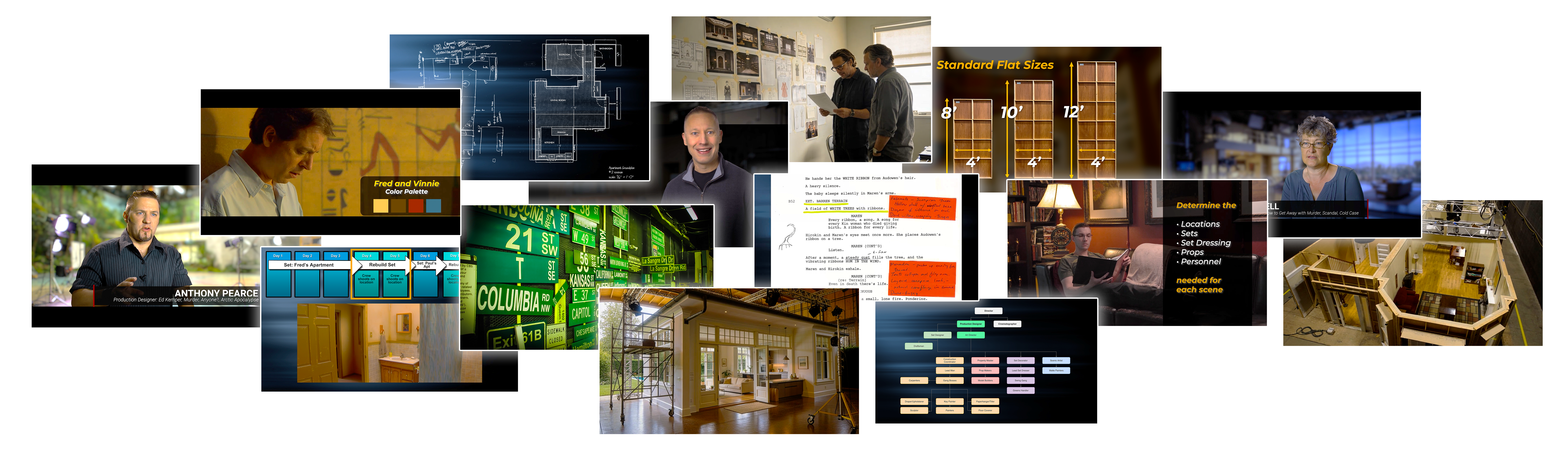
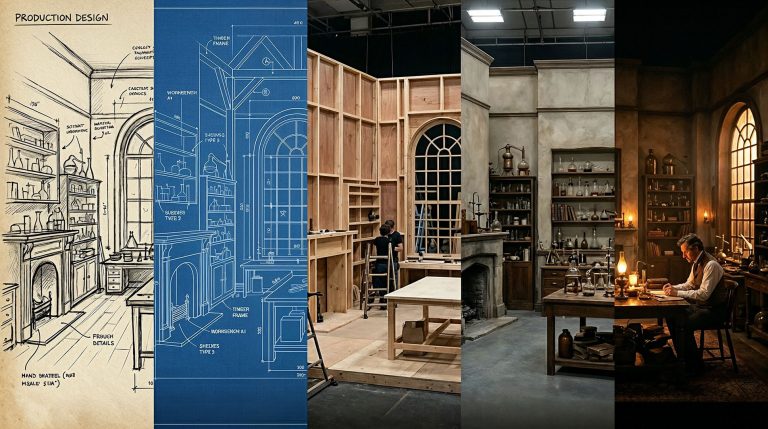
From creating a rich, believable world to constructing and dressing sets on-time and on-budget, students get an inside look at the process of creating a story-driven settings.
Designing the World
Learn how production design transforms environments into powerful storytelling tools. Explore how filmmakers design the macro world, meso worlds, and micro worlds to create believable story worlds that reveal character, theme, and emotion. You’ll also see how color, architecture, and environmental choices shape audience perception, and how collaboration between the director, cinematographer, and production designer creates a unified visual language that turns every space into a meaningful part of the story.

Production Design Process
This lesson breaks down the complete production design process, showing you how to transform a script into a fully realized visual world—efficiently, creatively, and within budget. You’ll learn how production designers collaborate with directors and cinematographers to define tone, style, and story, then translate those ideas into practical decisions about locations, sets, props, and labor.
From script breakdowns and hidden costs to pre-production meetings and on-set coordination, this lesson reveals how smart planning drives both creativity and efficiency. By the end, you’ll understand how to design for the camera—not just the space—so every visual choice serves the story.
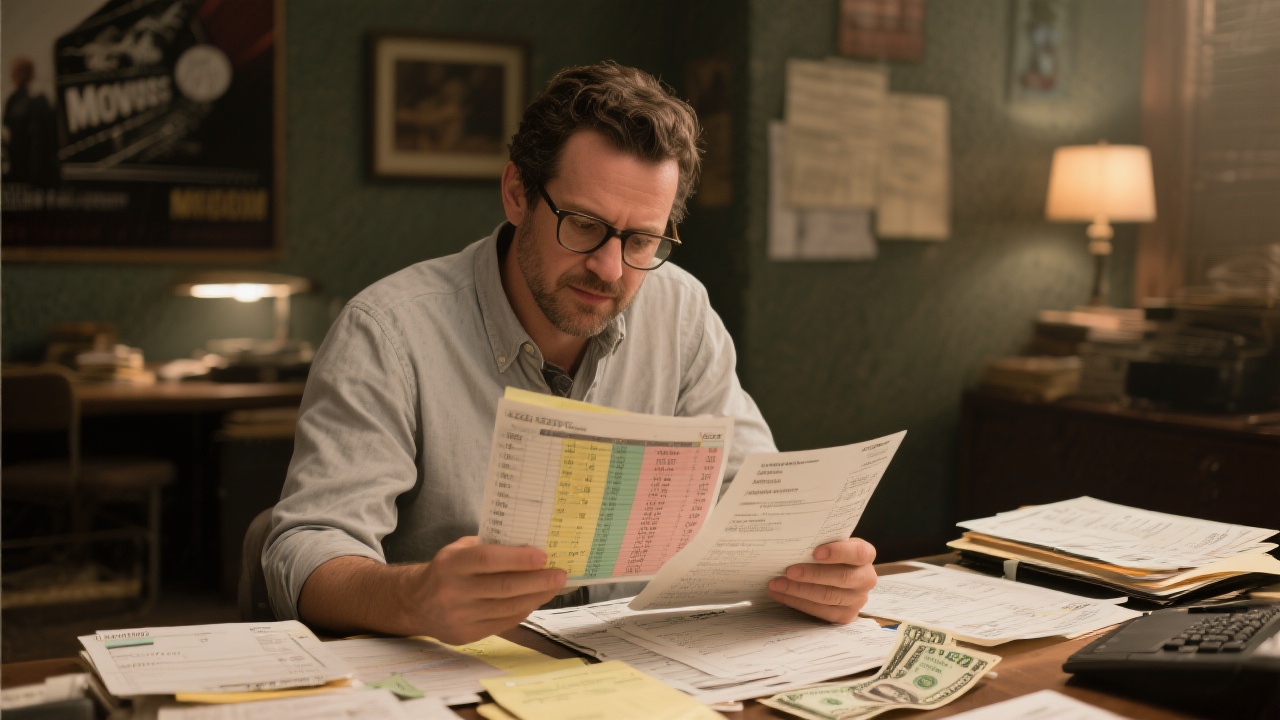
The Art Department Budget
The art department plays a critical role in shaping the visual world of a film or television show. In this lesson, you will learn how production designers and art directors determine the art department budget during pre-production.
We’ll explore the process of breaking down the script, estimating construction and decoration costs, coordinating with construction and prop teams, and allocating resources where they will have the greatest visual impact. You’ll also discover how experienced designers plan for unexpected expenses and find creative solutions when budgets are limited.
By understanding this process, you’ll be able to design environments that support the story while staying within production constraints.
Teach Production Design Visually
Teach production design with experienced Hollywood production designers, art directors, set decorators, and construction coordinators in engaging, on-set videos
Locations vs Soundstages
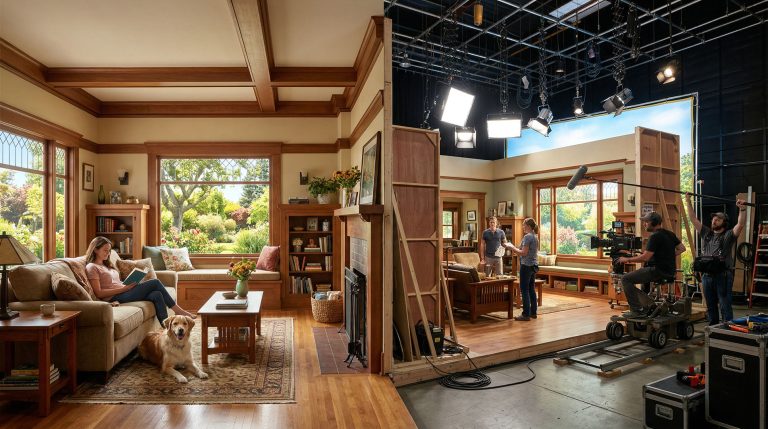
Choosing where to film a scene is one of the most important decisions in pre-production. In this lesson, you’ll learn how filmmakers decide whether to shoot on a real-world location or build a set on a soundstage. While locations can add authenticity, they often introduce challenges such as permits, noise, limited space, and logistical constraints. Soundstages provide greater control over lighting, sound, and camera movement, but they require construction and planning.
You’ll explore the key creative, financial, and logistical factors that influence this decision. By the end of the lesson, you’ll understand how to evaluate filming environments and choose the option that best supports your story, schedule, and production workflow.
How to Build a Movie Set
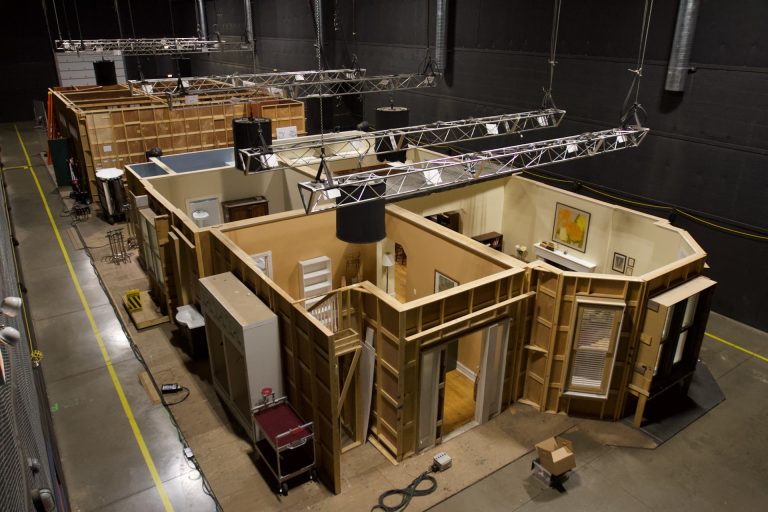
Building a believable environment for film or television requires more than basic carpentry—it requires designing sets that look real on camera while remaining flexible for production. In this lesson, you’ll learn the core techniques used in professional set construction, including how flats create walls, how floors and ceilings are designed for filming, and how scenic texturing brings environments to life. You’ll also explore practical solutions for working within tight budgets. Understanding these principles helps filmmakers build sets that are visually convincing, safe for the crew, and adaptable to the technical needs of cameras, lighting, and storytelling.
Set Dressing
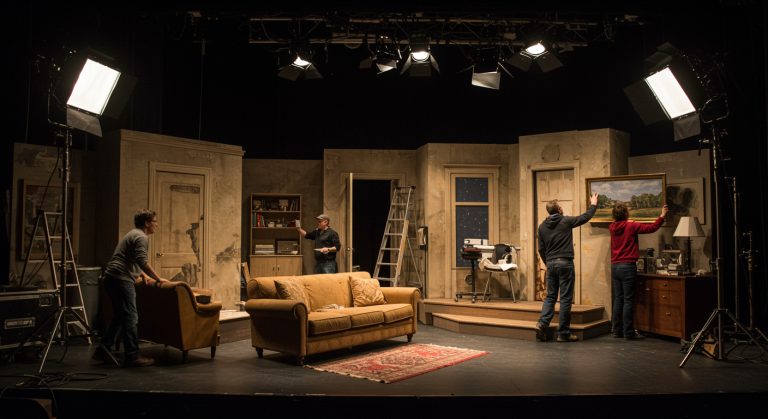
Learn how set dressing transforms empty spaces into believable, story-driven environments.Hollywood set decorators teach you how to shape character, mood, and realism through carefully chosen details— from furniture and wall coverings to architectural details and personal affects– while working within budget, location limits, and legal requirements.
From sourcing and placement to copyright clearance, you’ll gain the practical skills to create immersive worlds that feel authentic on camera.
Props
This lesson reveals how props bring characters and stories to life through purposeful design and detail. You’ll learn how to select, source, and manage props that enhance performance, reflect character, and hold up on camera.
From script breakdowns to on-set problem solving, you’ll gain the practical skills to ensure every prop supports both story and production.
Everything You Need to Teach
Video
In-depth video tutorials shot on Hollywood sets feature Emmy and Academy Award winning and nominated filmmakers. Chapterized for easy access.
Articles
Packed with behind-the-scenes photos, anecdotes, and real-world tips and techniques, beautifully-illustrated articles bring difficult concepts to life.
Test Questions
Create customizable group tests in minutes and access our library of over 5,000 test questions, carefully written from the content in each lesson.
Downloads
Students can download real documents from working TV and movie sets, plus hundreds of blank templates for use on their own productions.
Web Links
Students will discover the players in the industry from equipment vendors, staffing agencies, networks, studios, and production companies with our online resources.
All New Development Lessons
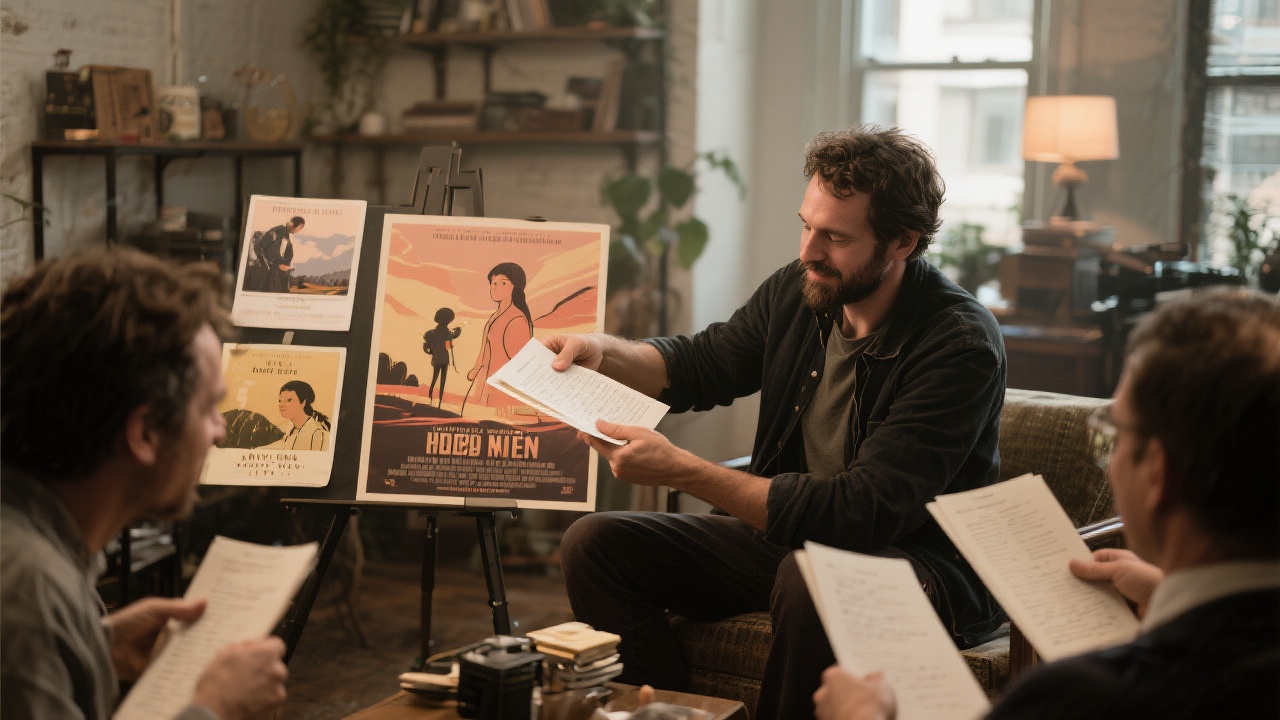
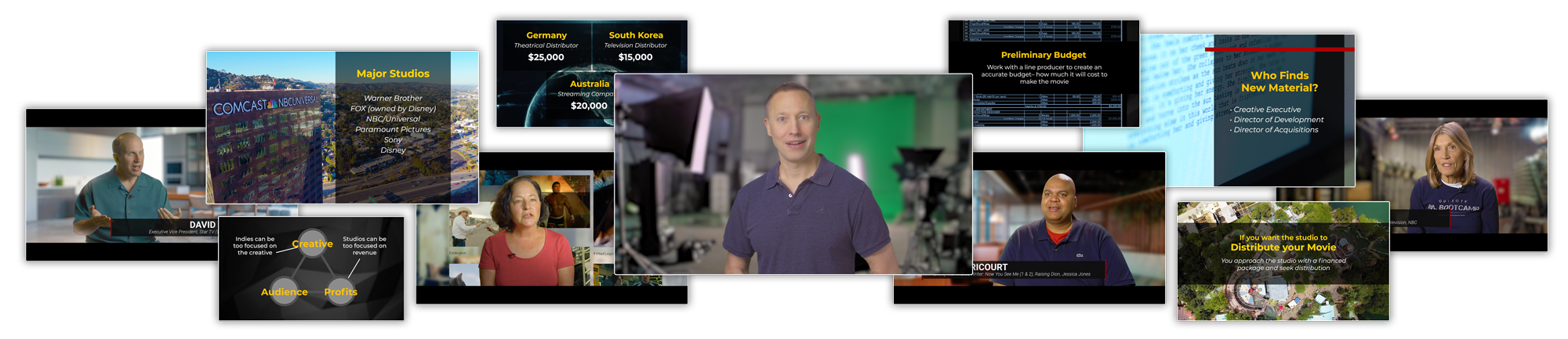
Announcing all-new development lessons taught by Academy Award and Emmy-winning producers. Students learn how to develop a project once the screenplay has been written. From how the studios work to managing the finances of a production, this series is packed with videos, downloadable files, test questions, and projects.
The Studio System
In this lesson, explore the studio system, learn who the players are, who the mini-majors are, the ever-evolving role of the studios as new corporate conglomerates, the types of movies they are making, and how you can be part of it. (37:49)
- What is a studio and how it works
- What are mini-majors?
- Studio vs independent movies
- Working with studio executives
- Tentpoles and blockbusters
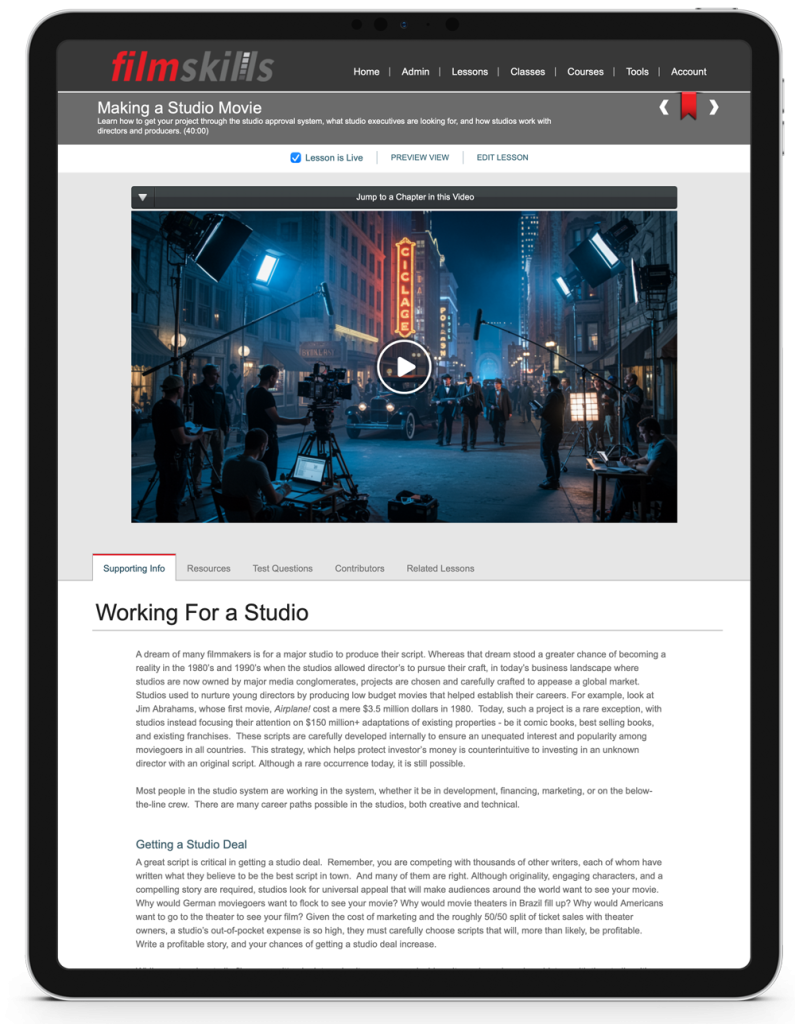
Making a Studio Movie
Learn how to get your project through the studio approval system, what studio executives are looking for, and how studios work with directors and producers. (40:00)
- The development process
- How to pitch a project to a network or studio
- What happens once a script is optioned
- Relationship between studios and directors
Making a Business Plan
Learn, step-by-step, how to build a business plan that will appease even the savviest investors. Hollywood producers take you through the process so you can go into the fundraising process confident in the movie you’re selling. (31:12)
- What is a business plan
- How to prep a script and budget first
- How to structure a business plan for investors
- How to determine comparable numbers
- How to determine the market
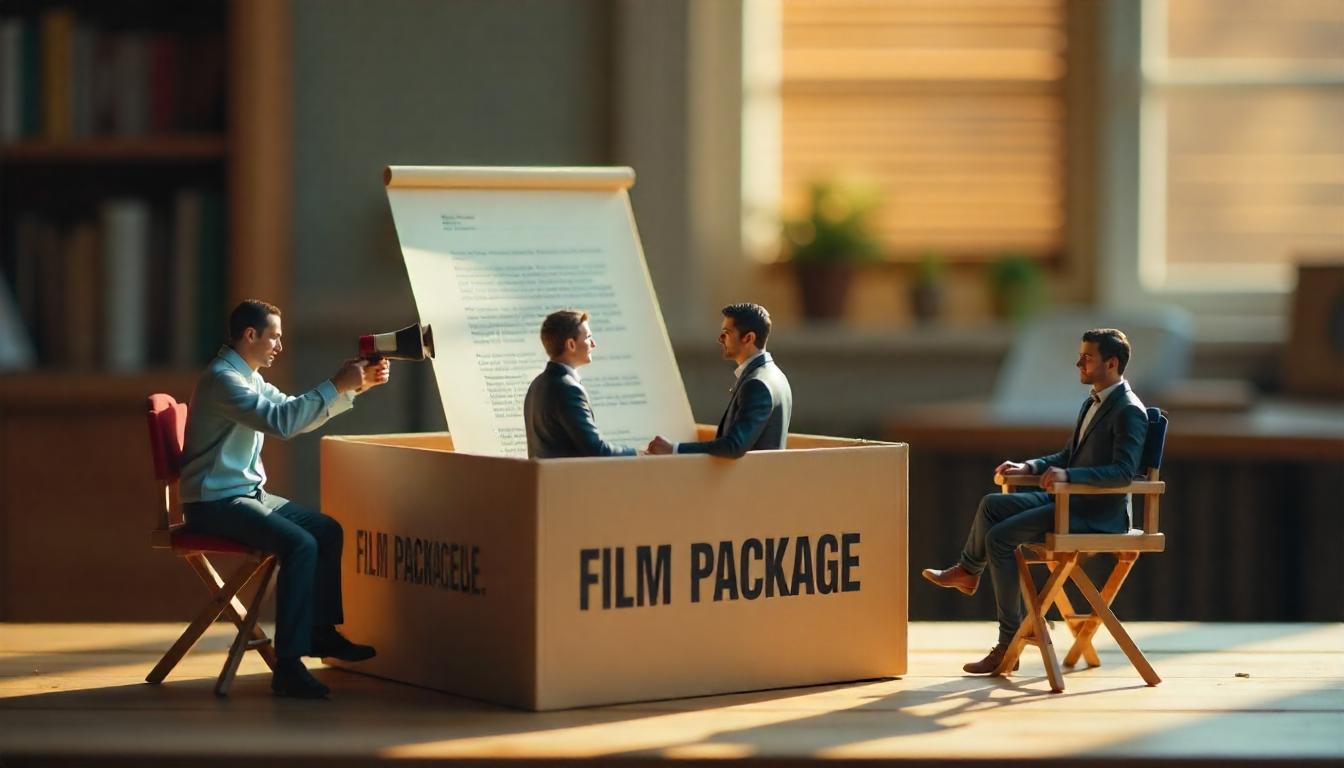
Packaging a Movie
Learn how to choose the right actors for your movie, work with distributors in the development process, determine the value of your creative talent, how to attract top-tier talent, and ultimately make your movie attractive to distributors and audiences. (29:37)
- What is film packaging?
- How to approach, attract, and attach actors
- How to attach a director
- How agency packaging works
- How to shop a package
Agents and Managers
Learn the difference between an agent and a manager, the roles each fulfills, how to get one, the costs involved, and how to use their services to promote your career. (24:02)
- The role of an agent
- Agency fees
- The role of a manager
- How to get representation
- How to work with an artist’s agent or manager
Meet the Experts in this Series
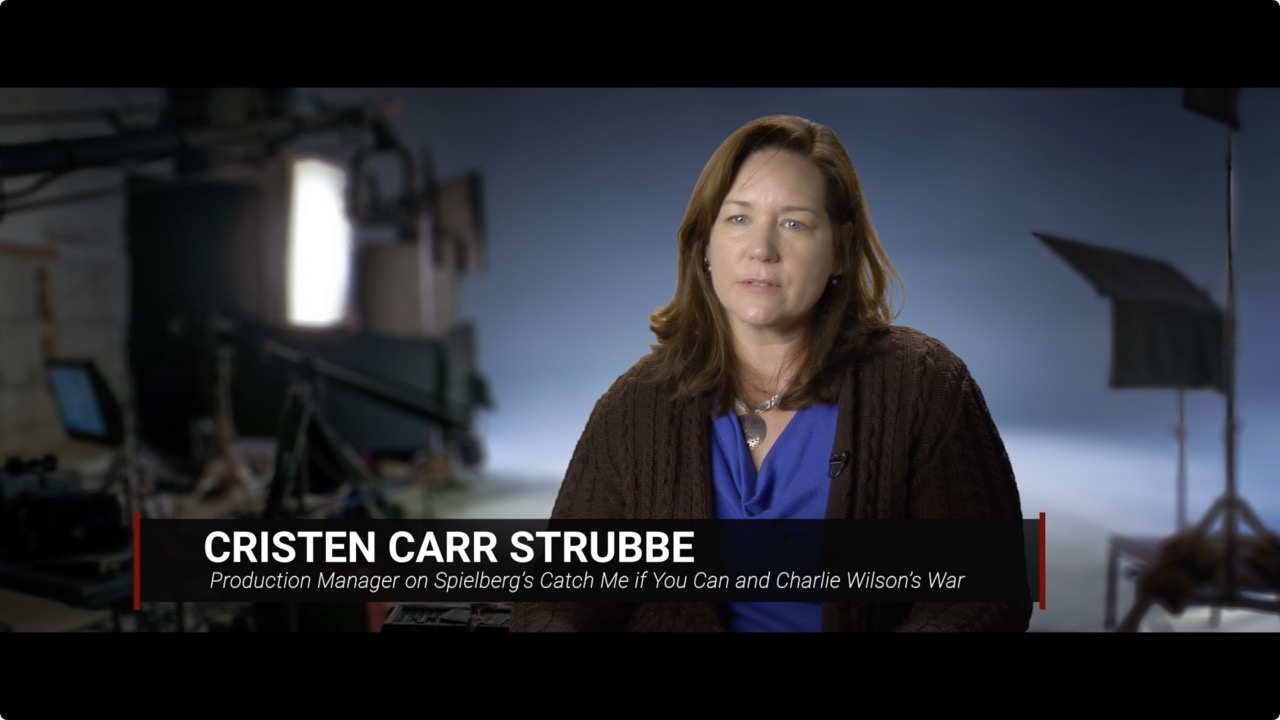
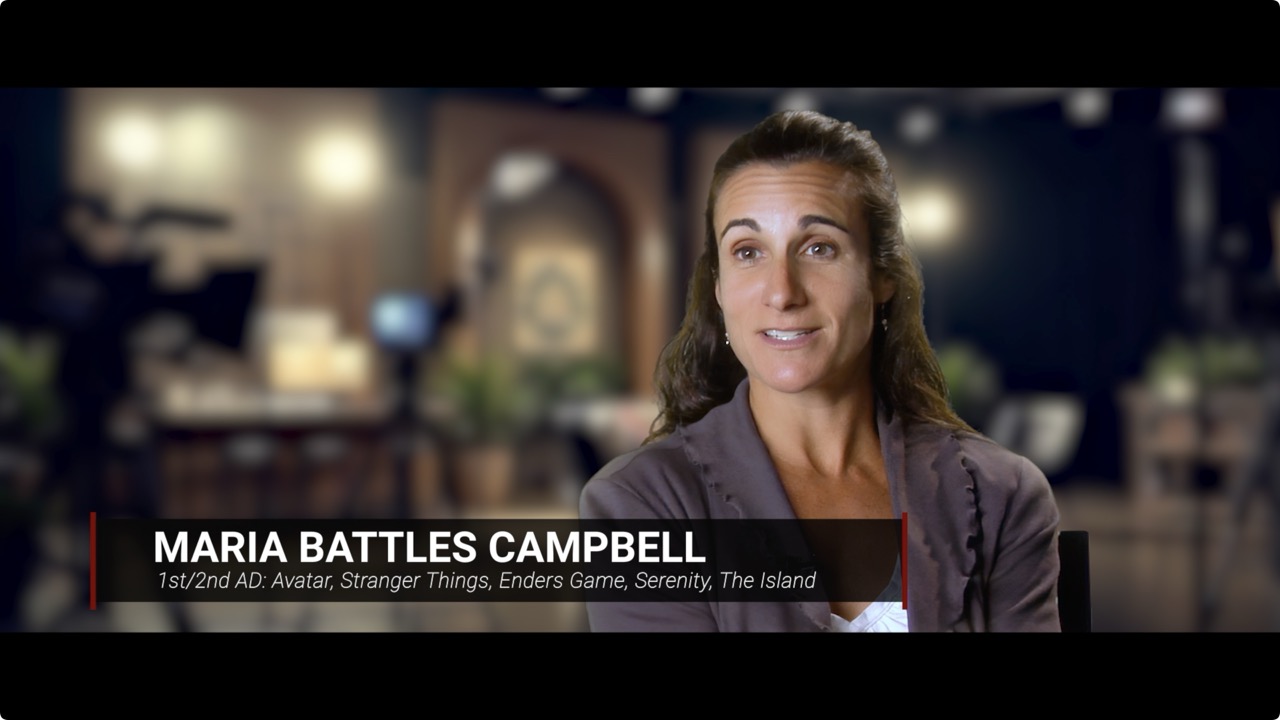
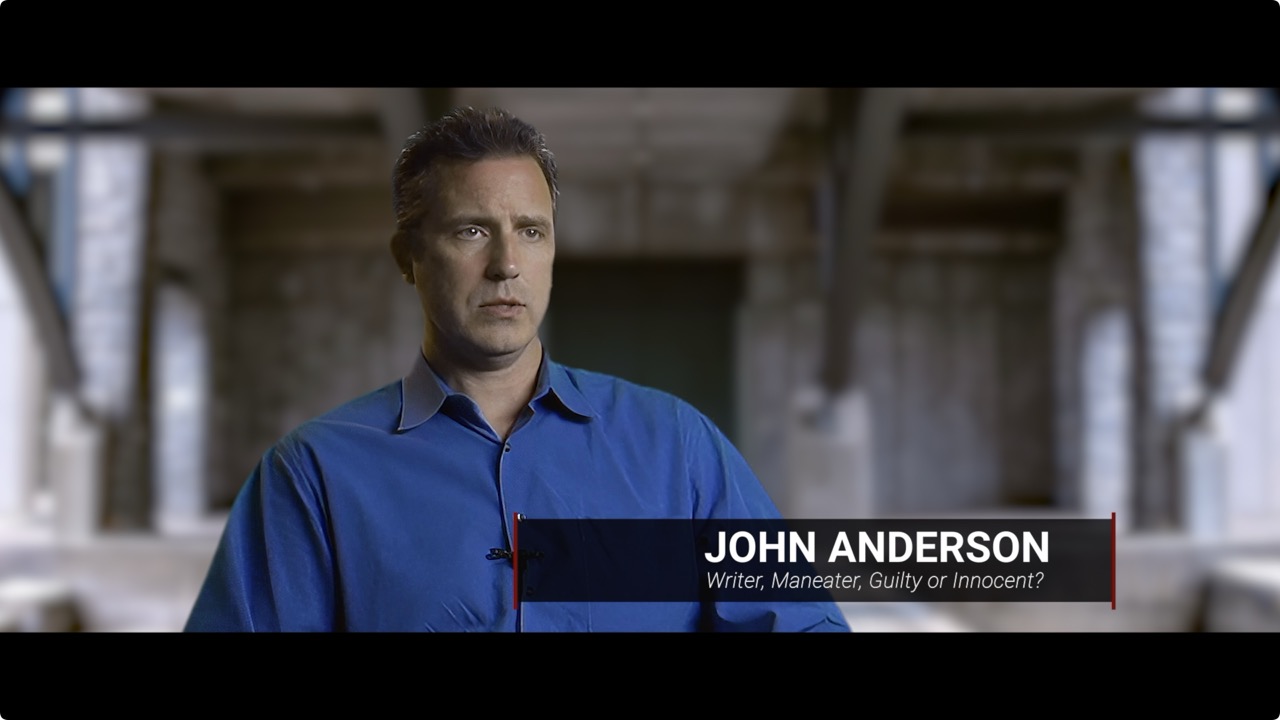
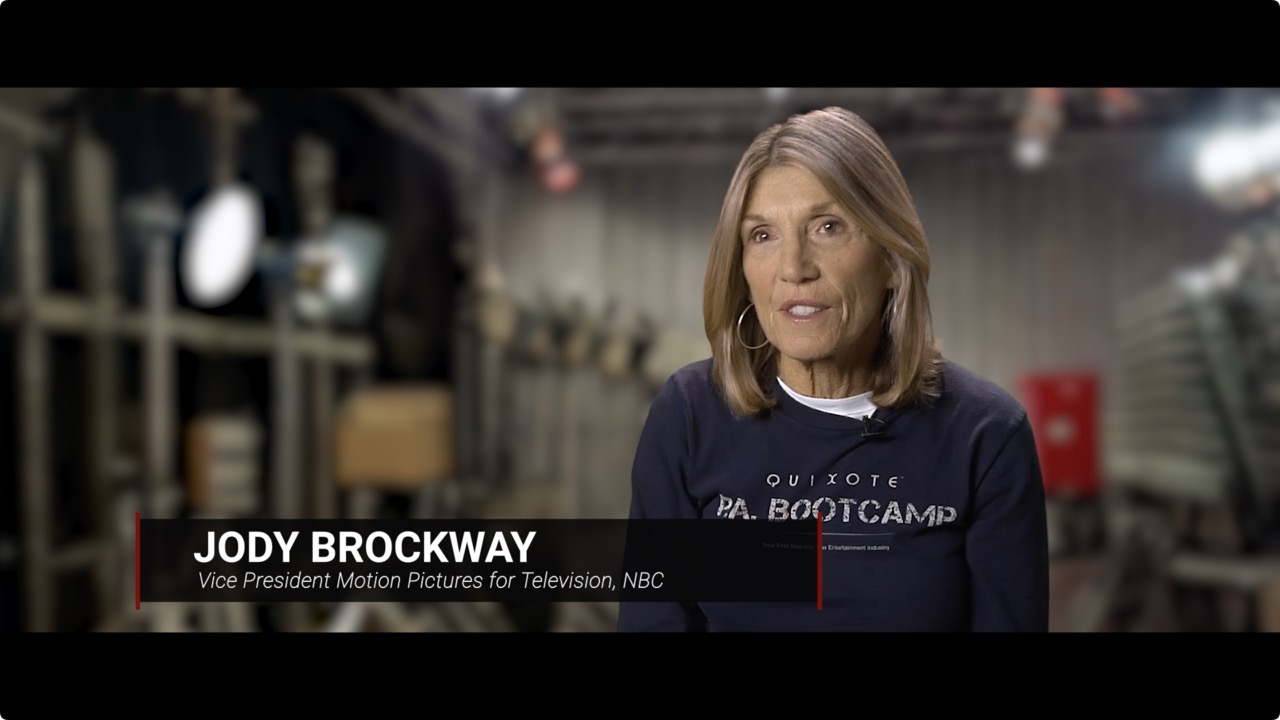
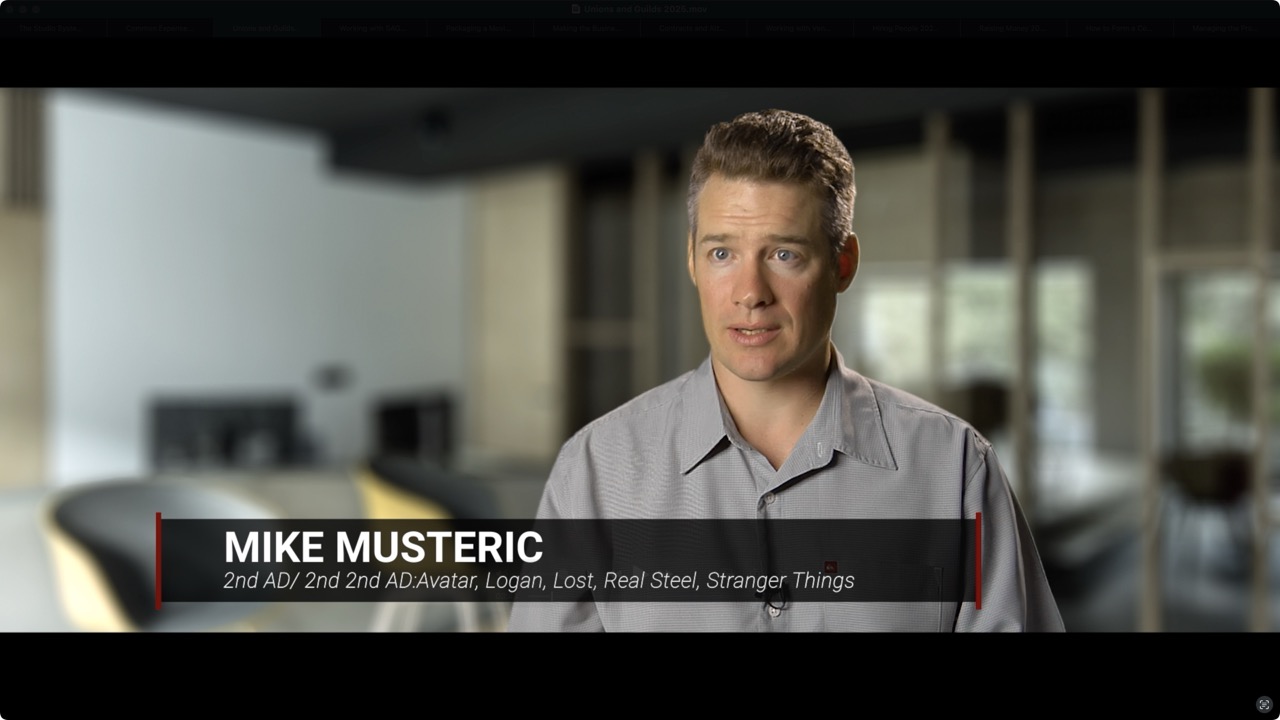
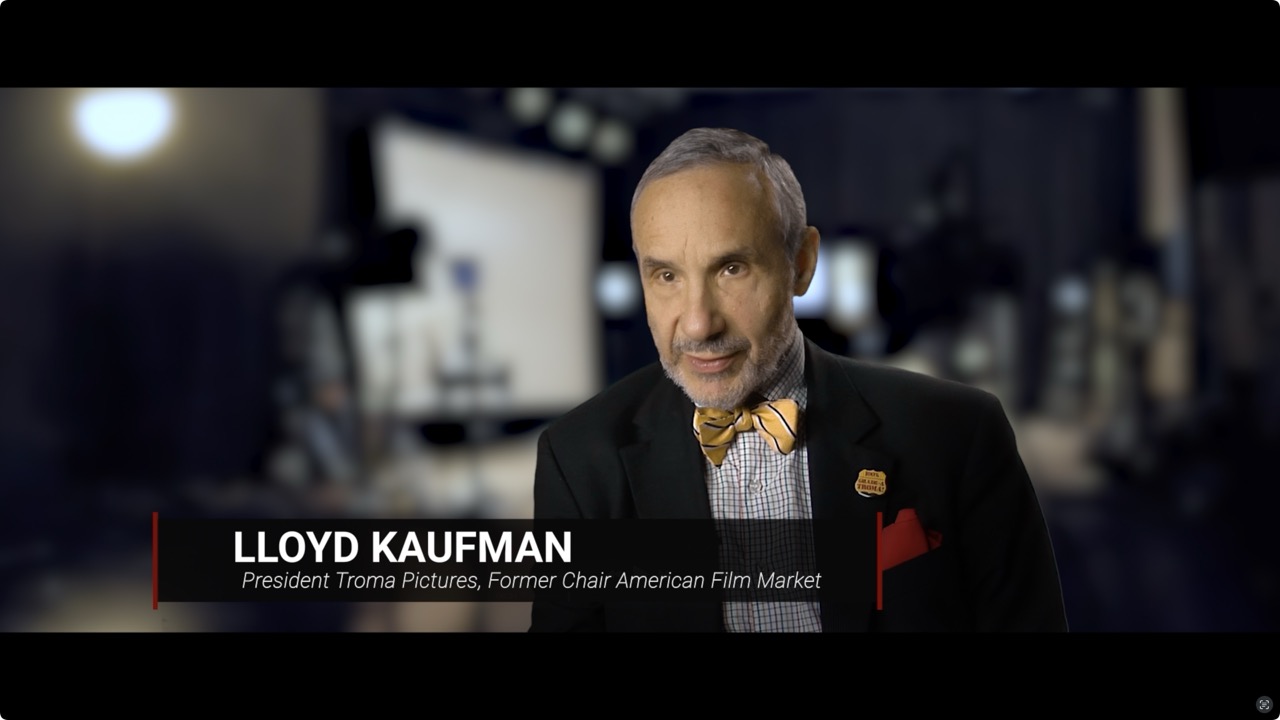
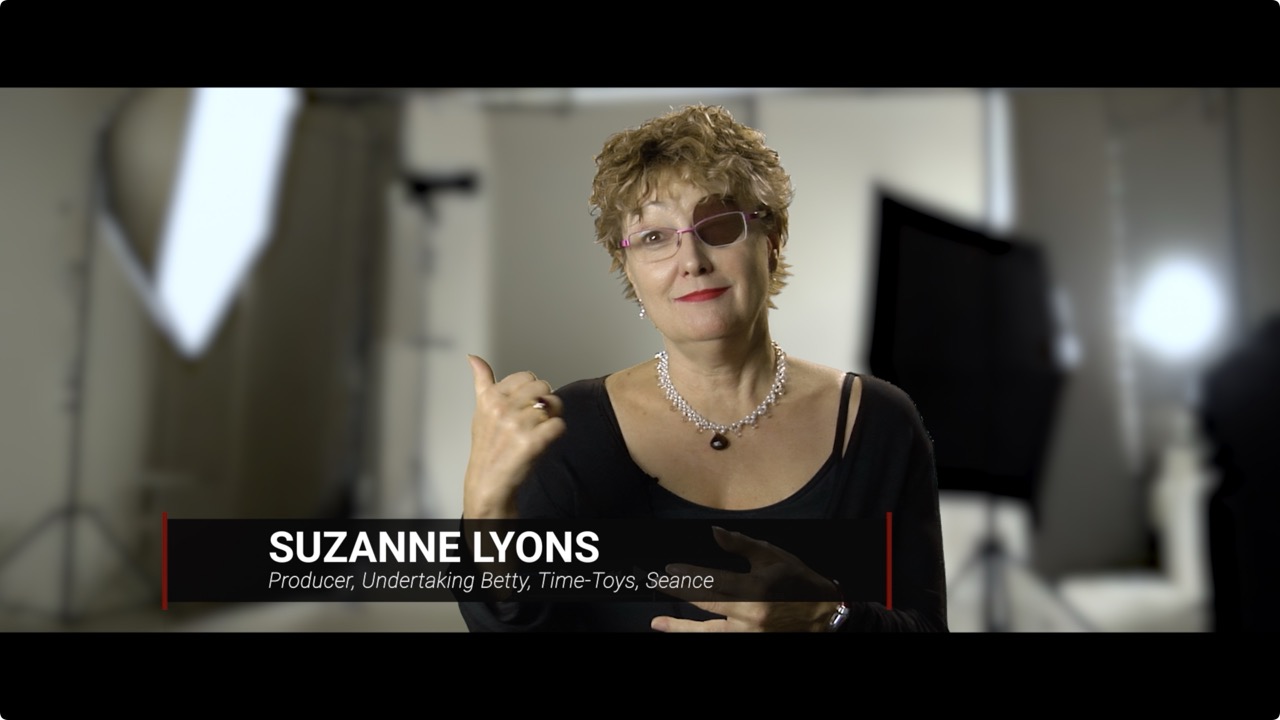
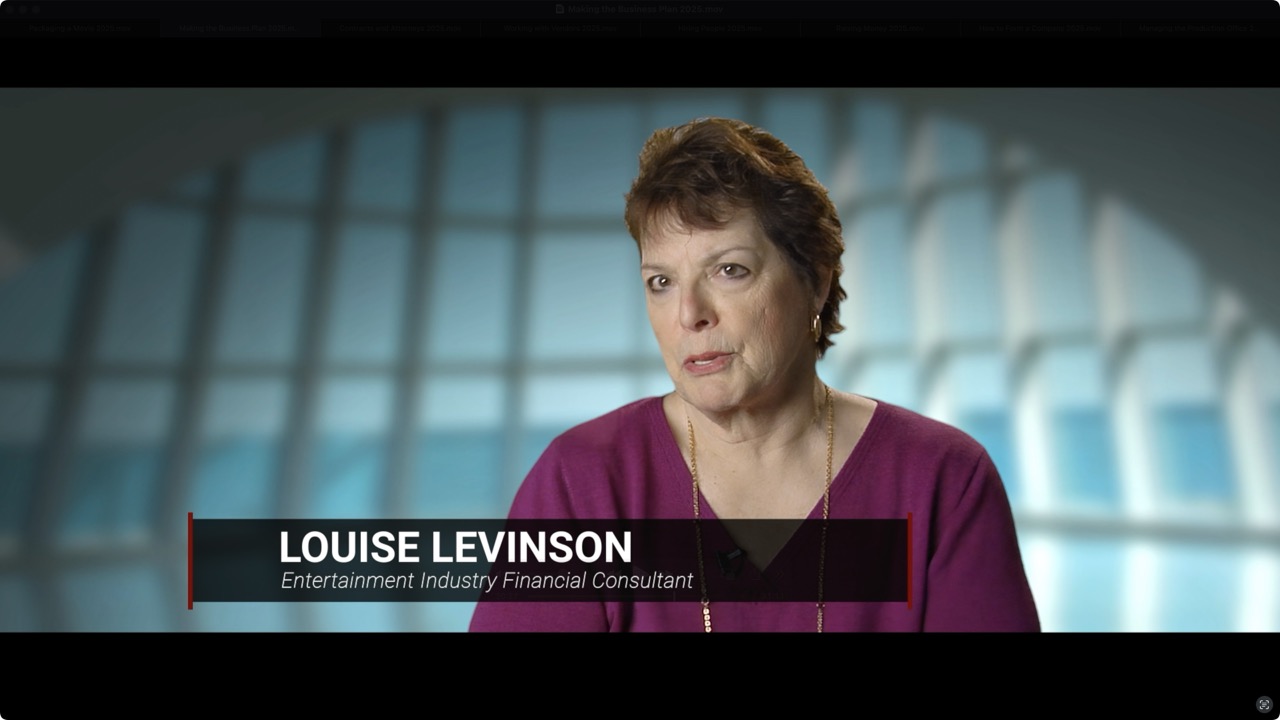
We partnered with 18 industry experts, including studio and network executives, Emmy-winning writers, financiers, and directors whose work has made billions of dollars.
All New Producing Lessons
The all-new producing series lifts the curtain on the business of filmmaking. From raising money and starting a company to paying people and working with unions, students learn from seasoned Hollywood producers how to produce a marketable product.
How to Form a Company
In this lesson, learn the types of corporate structures, how single purpose vehicles protect the parent company, how to protect your assets, and create an LLC. (19:17)
- Learn the importance of creating a company
- How a shell company can protect personal assets
- The types of companies
- How to create an LLC
- How shell companies work in the studios
- How indie filmmakers can take advantage of corporate tax benefits
Raising Money
Learn how money is raised and the various financial instruments including development funding, equity and debt financing, credit cards, bank loans, pre-sales, gap financing, tax incentives, and crowd funding. (45:50)
- How to work with investors
- Securing development funding
- Types of equity funding
- Funding a movie on credit cards
- Debt financing
- Securing a bank loan
- Pre-sales from foreign distributors
- Gap financing
- Using tax incentives to secure funding
- Crowd funding techniques
Tax Incentives
Learn how to take advantage of tax incentives, the difference between rebates and credits, how to convert credits into money, what to expect during the auditing process, and how to collect your money. (24:37)
- How tax incentives attract production
- Tax rebates
- Tax credits
- Controversy surrounding tax credits
- How to collect money from incentives
Manging the Budget
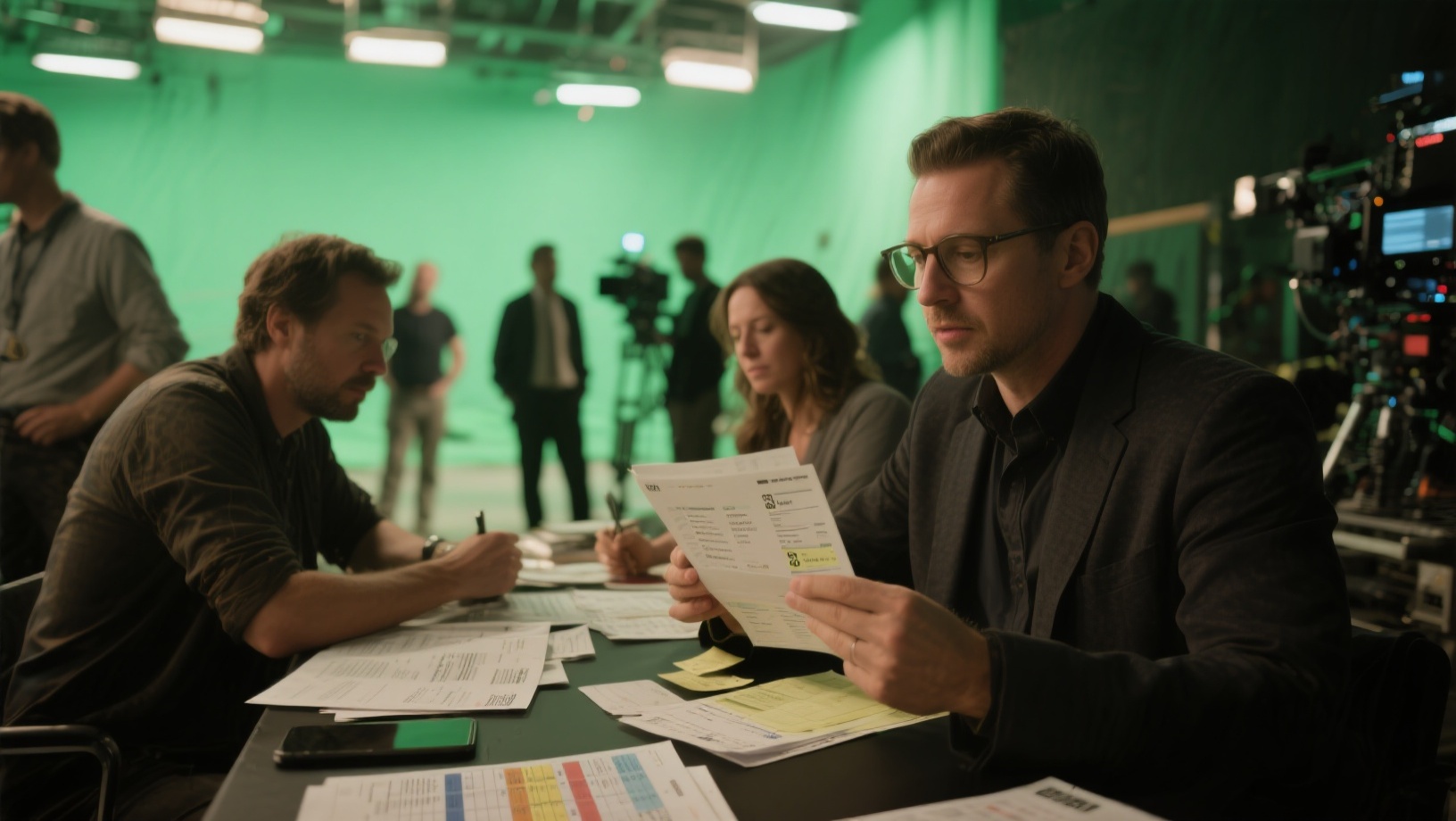
Learn how to set up and manage dedicated bank accounts, protect investor funds through escrow and completion bonds, and allocate budgets effectively across pre-production, filming, and post-production. (23:16)
- How to set-up a bank account
- Managing production accounts
- Working with escrow accounts
- Working with bond companies
- The flow of money through a production
Common Expenses
Learn how to manage common production expenses, including per diem, mileage reimbursement, petty cash, loan outs. (21:49)
- Working with crew members, rented gear, and kit fees
- Meal penalties and union guidelines
- Managing per diem when on location
- Mileage reimbursement
- Handing and tracking petty cash
Working with Vendors
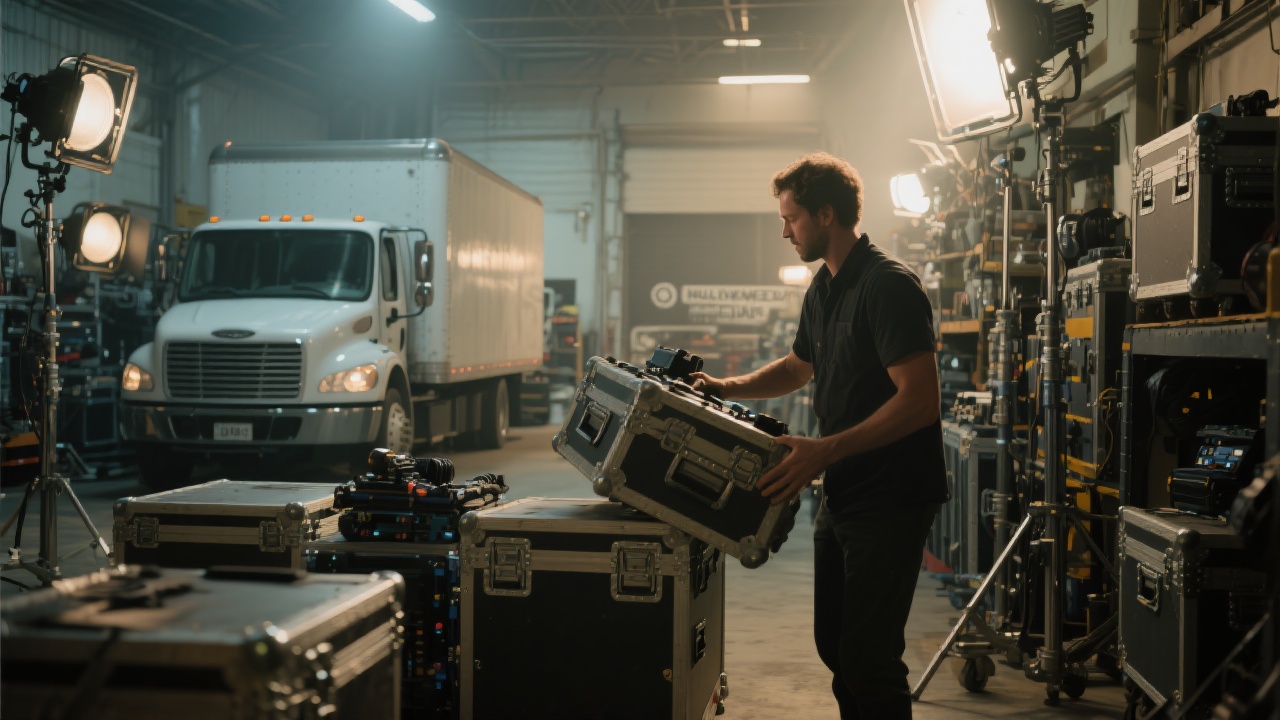
Learn to find qualified vendors in your shooting area, manage relationships with vendors, the financial workflow from purchase orders to invoices, and tips to making sure you get the resources you need on set. (17:49)
- How to find qualified vendors
- Vendor relationships
- How to request a quote
- Purchase orders and invoices
- Insurance requirements
- Lost and damaged equipment
- Managing rented equipment
Contracts and Attorneys
This lesson teaches filmmakers the essential legal and contractual foundations of production, covering entertainment attorneys’ roles, key agreements like deal memos and location releases, business structuring, hiring compliance, and risk management to protect their projects and careers. (17:54)
- Working with entertainment attorneys
- Importance of contracts and agreements
- Deal memos for cast and crew
- Starting paperwork
- Required legal forms
- Payroll and payment forms
Managing the Production Office
Learn how to scout, negotiate, prepare, and manage a production office when shooting on location. From finding the perfect location to meeting the needs of everyone involved, this lesson covers the essentials to ensure a smooth shoot. (14:44)
- What to look for when scouting potential office space
- Common challenges when renting for a production
- How to configure the space
- How to close the office down
Hiring People
Learn the process of hiring both above the line and below the line people, hiring union vs non-union and the implications, understand who hires crew, and how to manage problematic workers. (19:11)
- Above-the-line vs below-the-line hires
- Hiring union vs non-union
- Who hires the crew
- Managing problematic people
- How to fire someone
Paying People
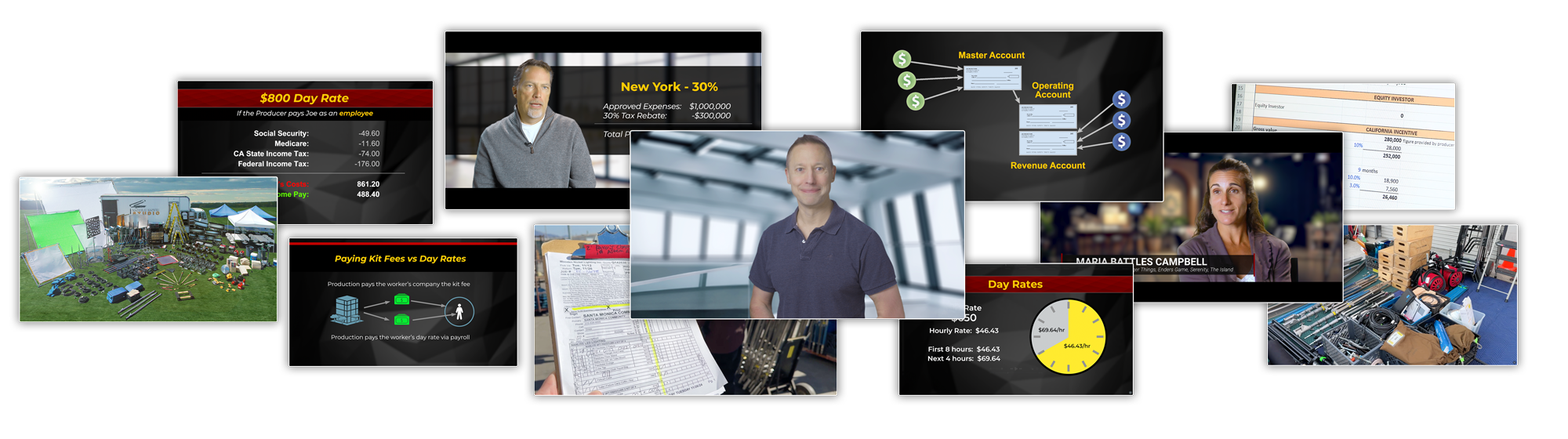
From independent contractors to employees, learn how to calculate day rates, structure payments to crew members, manage workers’ compensation, handle tax deductions, loan outs, pay or pay clauses, and more. (27:59)
- How to negotiate rates
- Who handles workers pay
- Pay or pay clauses
- How to calculate day rates
- Calculating overtime rates
- Hiring employees vs independent contractors
- Workers compensation
- Hiring crew as loan out
Unions and Guilds
Learn how the unions function, the benefits for members, the key unions: IATSE, DGA, SAG-AFTRA, and WGA, the differences in hiring union and non-union crew, how productions flip, and how to shoot in a “Right-to-Work” state. (37:15)
- Defining a union or guild
- What are union membership benefits?
- SAG-AFTRA
- Directors Guild of America
- Writers Guild of America
- Producers Guild of America
- IATSE
- Union vs non-union hires
- How flipping a show works
- Shooting in Right to Work states
Working with SAG-AFTRA
Learn how SAG functions, the ramifications of the SAG-AFTRA merger, how signatories work, how the Taft-Hartley act admits new members into SAG-AFTRA, and the benefits and drawbacks of Financial Core. Be prepared when working with SAG-AFTRA actors on your production. (24:01)
- What is SAG-AFTRA?
- How to become a signatory
- What happens when a production hires SAG-AFTRA actors
- Taft-Hartley and union membership
- Financial Core
Insurance
Learn how to insure your production against liabilities and costs incurred from accidents, the types of insurance you’ll need, where you can buy production insurance, the costs of insuring a production, cast insurance, film and video tape insurance, equipment insurance, and E&O insurance. (22:09)
- The importance of insurance
- Certificates of Insurances
- General liability insurance
- Cast insurance
- Media insurance
- Equipment insurance
- Workers’ compensation insurance
- Errors and emissions insurance
FilmSkills Academic
Brings Industry Professionals to Your Classroom
Add FilmSkills Academic to Your Curriculum Today
Join over 125 universities, studios, film commissions, and production companies and add world-class training to better prepare your students for a life in the film industry… for less than the cost of a textbook.